Solar Installation in Faisalabad: 2026 Guide for Homes & Industry
For a city built on textile mills and busy workshops, a smart solar installation in Faisalabad is no longer a luxury but a survival strategy. Energy costs eat directly into margins, and unreliable supply stalls production lines. In 2026, rooftop and ground-mounted solar offers Faisalabad’s homes and factories a proven route to cheaper, steadier power.
This guide focuses on the practical decisions that matter locally: sizing for heavy daytime loads, cutting industrial bills, and keeping machines running through outages.
Why Solar Installation in Faisalabad Suits Industry So Well
Faisalabad’s factories consume most of their electricity during daylight, exactly when panels produce the most. That alignment makes a solar installation in Faisalabad unusually efficient, because generation and demand peak together. Little energy is wasted, and payback shrinks.
Textile units, cold stores, and processing plants that run heavy motors benefit especially. Every unit generated on-site is a unit not bought at a rising commercial tariff.
- Lower per-unit cost than grid or diesel generation
- Predictable energy budgeting for the next 20 years
- Reduced dependence on expensive backup fuel
- A visible sustainability credential for export buyers
Residential vs Commercial Systems
Homes and businesses have different needs, and the right design reflects that. The comparison below highlights the key differences Faisalabad buyers should weigh.
| Factor | Home System | Commercial System |
|---|---|---|
| Typical size | 3–10 kW | 25 kW–1 MW+ |
| Main goal | Bill savings, backup | Load offset, margin protection |
| Payback | 3–5 years | 2.5–4 years |
| Metering | Net metering | Net metering, wheeling |
Choosing an experienced team for your solar installation in Faisalabad ensures the design matches your actual load profile rather than a generic template. That precision is what drives the fast industrial payback shown above.
How Much Can a Faisalabad Factory Save?
Savings depend on consumption, but the pattern is consistent. A mill that offsets 60 to 80 percent of its daytime draw can cut its annual energy spend dramatically, often recovering the investment in under four years. After that, the electricity is essentially free for the panels’ remaining life.
To estimate potential savings, follow this order:
- Analyse twelve months of bills to find your daytime load.
- Size the array to cover that load without heavy export.
- Model the annual saving against the quoted system price.
- Factor in avoided diesel and maintenance costs for a true figure.
Panel and Inverter Selection
Industrial systems demand robust hardware that tolerates heat, dust, and long duty cycles. Faisalabad summers are punishing, so temperature-tolerant panels and well-ventilated inverters are essential. Global cost and efficiency data from the National Renewable Energy Laboratory show why modern high-efficiency modules now deliver strong returns even in hot climates.
For commercial sites, string inverters with monitoring or central inverters for very large arrays are common. Whatever the scale, working with quality service providers protects your investment; reputable teams such as these quality service providers demonstrate the transparent, standards-driven approach worth seeking.
Handling Load-Shedding and Backup
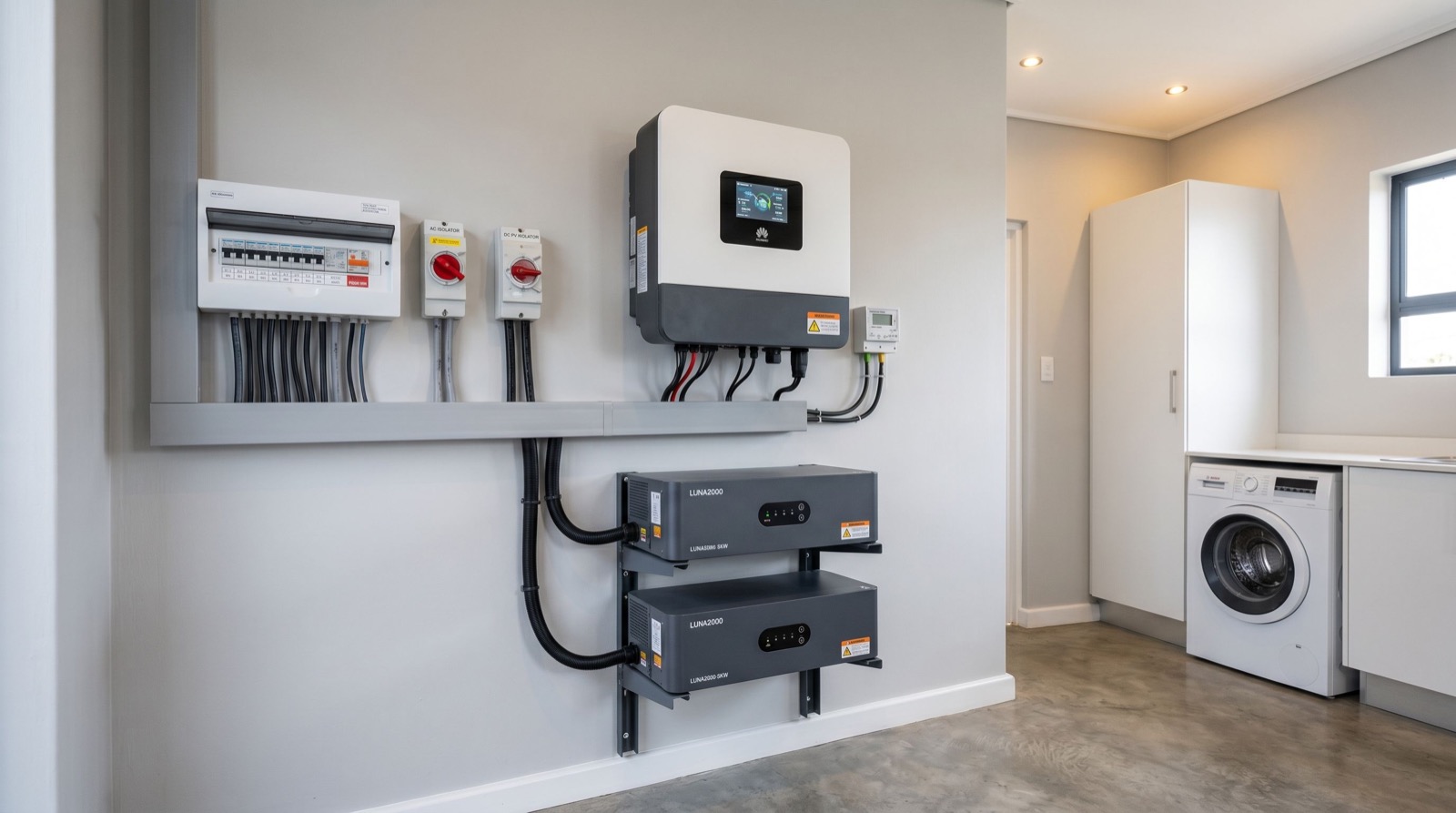
Faisalabad businesses still lose hours to outages. A grid-tied system alone shuts down during a blackout, so critical operations need a hybrid design with storage or a solar-diesel-battery blend. The right architecture keeps essential machines running while non-critical loads wait.
Prioritise which circuits truly need backup. Powering the whole plant from batteries is costly, whereas protecting only key lines keeps the budget sensible while safeguarding output.
Net Metering and Regulation
Net metering lets you bank surplus daytime generation as credit, smoothing seasonal swings. The process mirrors that of other major cities, so best practices from a well-run solar company in Islamabad transfer directly to Faisalabad, from meter applications to inspection readiness.
Keep your documentation organised. Load approvals, structural certificates, and commissioning reports speed up utility processing and future audits.
Ground-Mount and Shed Solar for Space-Constrained Sites
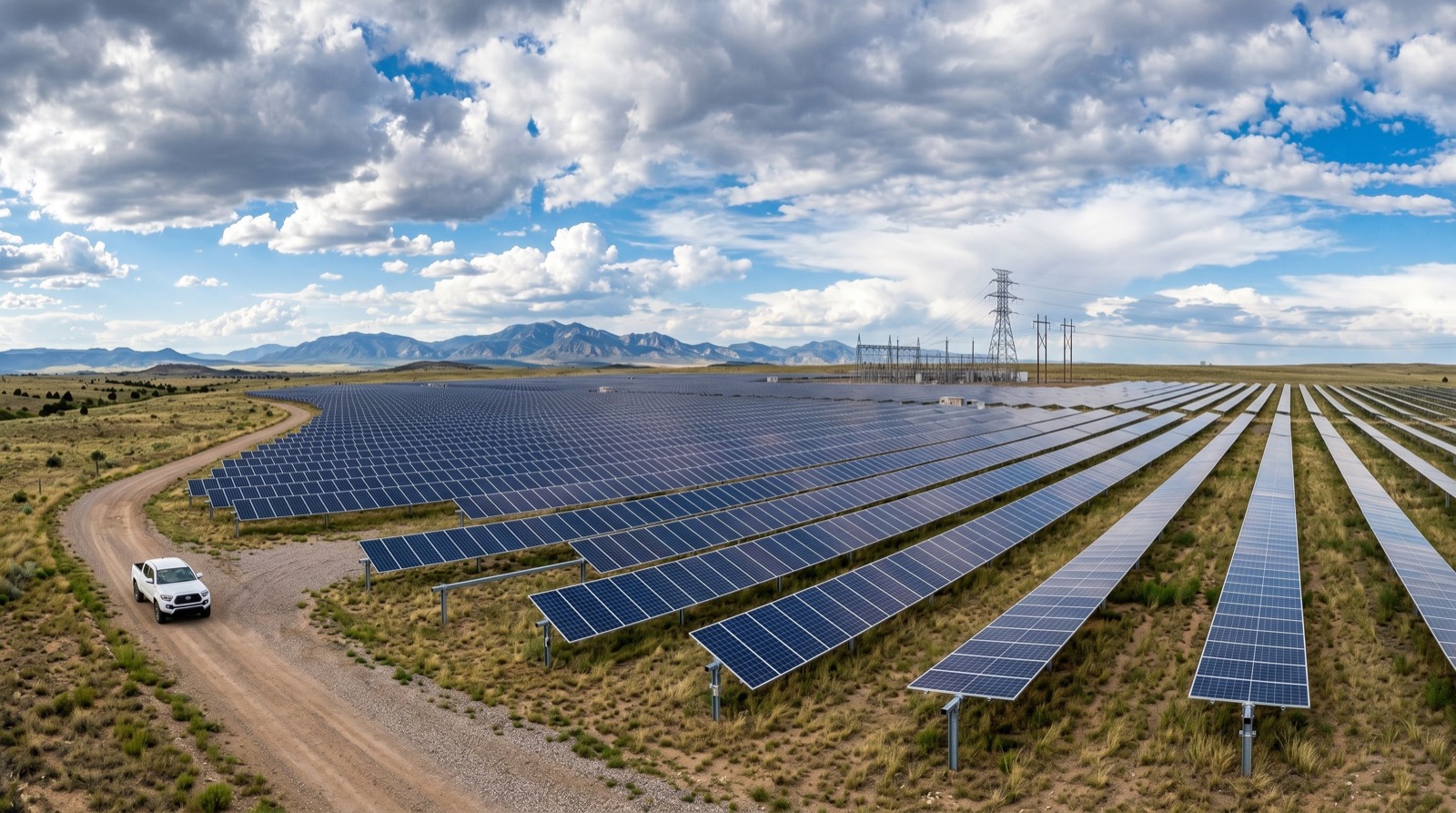
Many Faisalabad factories have large power needs but limited flat roof area. Ground-mounted arrays and solar shed structures solve this neatly. They also let engineers set the ideal tilt angle for maximum yield, something fixed rooftops rarely allow.
Ground mounts bring extra benefits worth weighing:
- Easier cleaning and maintenance access at ground level
- Optimal tilt and orientation for higher annual output
- Room to expand capacity as production grows
- Dual use, such as covered parking or storage beneath panels
The trade-off is land. Where space is scarce, combining rooftop and shed-mounted panels often delivers the required capacity without sacrificing usable ground.
Building a Maintenance Routine for Industrial Systems
Large systems reward disciplined upkeep. Dust, bird activity, and vibration near heavy machinery can all reduce output over time. A structured schedule protects your returns:
- Inspect and clean panels on a fixed monthly cycle.
- Review monitoring data weekly to catch faults early.
- Torque-check mounting hardware each quarter.
- Commission a full professional audit once a year.
For a mill running near capacity, even a small percentage drop in generation adds up across a year. Treating maintenance as part of operations, not an afterthought, keeps the economics strong.
Frequently Asked Questions
Is solar viable for a large textile unit?
Absolutely. Large daytime loads align perfectly with solar output, and the scale drives excellent economics. Many mills recover their investment in under four years and enjoy decades of cheap power afterwards.
How much roof or land do I need?
Plan for roughly 70 to 90 square feet per kilowatt. Factories short on roof space can use ground-mounted arrays or shed structures to reach the required capacity.
Will dust hurt performance?
Dust reduces output if left unchecked, so periodic cleaning is important in Faisalabad. Scheduled maintenance and, for large sites, automated cleaning keep generation high.
Can I expand the system later?
Yes, if the design allows headroom. Tell your installer about growth plans so the inverter and wiring can accommodate future panels without a costly overhaul.
Conclusion
A well-planned solar installation in Faisalabad turns volatile energy costs into a stable, budgetable line item for both homes and industry. With daytime loads matching solar output, payback is fast and the long-term savings are substantial. In 2026, audit your bills, choose durable hardware, design backup around critical circuits, and partner with a certified installer. That combination delivers cheaper, cleaner, and more reliable power for years to come.